
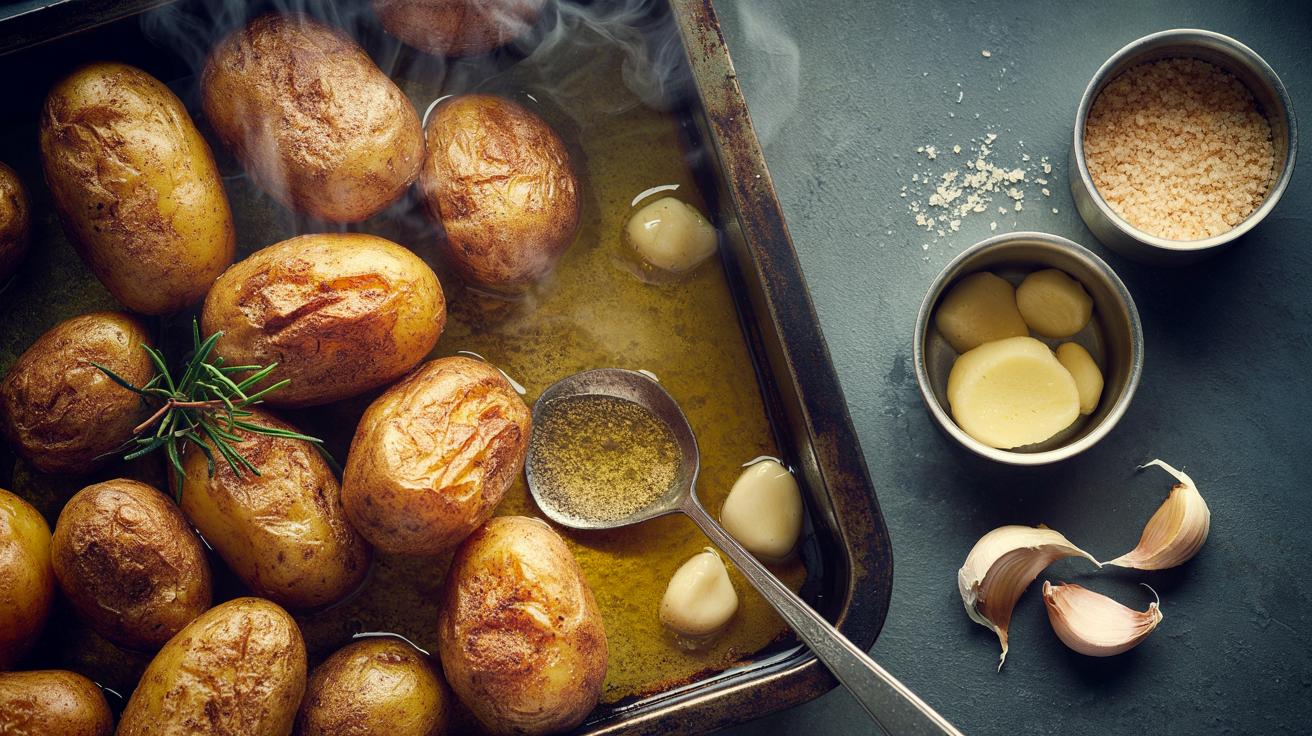
Golden outside, cloud-soft inside — that’s the dream, until the tray comes out pale, waxy or a bit sad. Mary Berry’s trick isn’t a new gadget or a cheffy flourish. It’s three small additions that nudge the spuds from decent to can’t-stop-eating.
The scene writes itself: a Sunday kitchen humming, the oven door fogging the room, a queue of hands hovering for “just one” potato before the plates even hit the table. I tested batch after batch over the last few weeks, toggling oven temps and timings, and still chased that elusive shatter-crunch. Then I circled back to Mary Berry, who quietly upgrades the basics rather than reinventing them. The change wasn’t flashy, but it was audible — that tiny crackle when you bite in, followed by the soft interior. It felt like finally tuning an old radio until the station comes in clear. One tweak at a time. One tray at a time. A simple promise kept. It starts with three tiny extras.
Why Mary’s roasties have that shattering crunch
In Mary Berry’s world, the path to perfect roast potatoes runs through a smart trio: a dusting of semolina, a puddle of hot goose fat, and a couple of garlic cloves smashed into the tin. **The magic, Mary-style, is a three-part upgrade: semolina, goose fat, and garlic.** Each plays its part — texture, heat, aroma — and they gang up beautifully on blandness. Nothing revolutionary, just applied wisdom.
I watched the difference happen in a small rented kitchen with a fussy oven and a single roasting tray. Two batches, same Maris Pipers, same time and temp. The plain set crisped at the corners but slackened on the way to the table. The Mary-style tray? Proper bronzing, rough ridges, and a crisp that lasted the length of lunch. *I could hear the crunch from the hallway.* Even the cold leftovers, dipped in gravy an hour later, still had edge.
There’s logic under the glow. Semolina is coarse enough to scuff the parboiled surface and hold onto fat, so the edges dry and brown faster. Goose fat brings a rich, clean heat that doesn’t smoke too soon and runs thin enough to coat without drowning. Garlic kisses the fat, not the flesh, so you get perfume without the risk of bitter browned bits. **Crisp is chemistry, not luck.** Starch gelatinises in the parboil, moisture steams off when the potatoes hit a hot tray, then the Maillard reaction paints those nubbly edges deep gold.
The exact method you can follow tonight
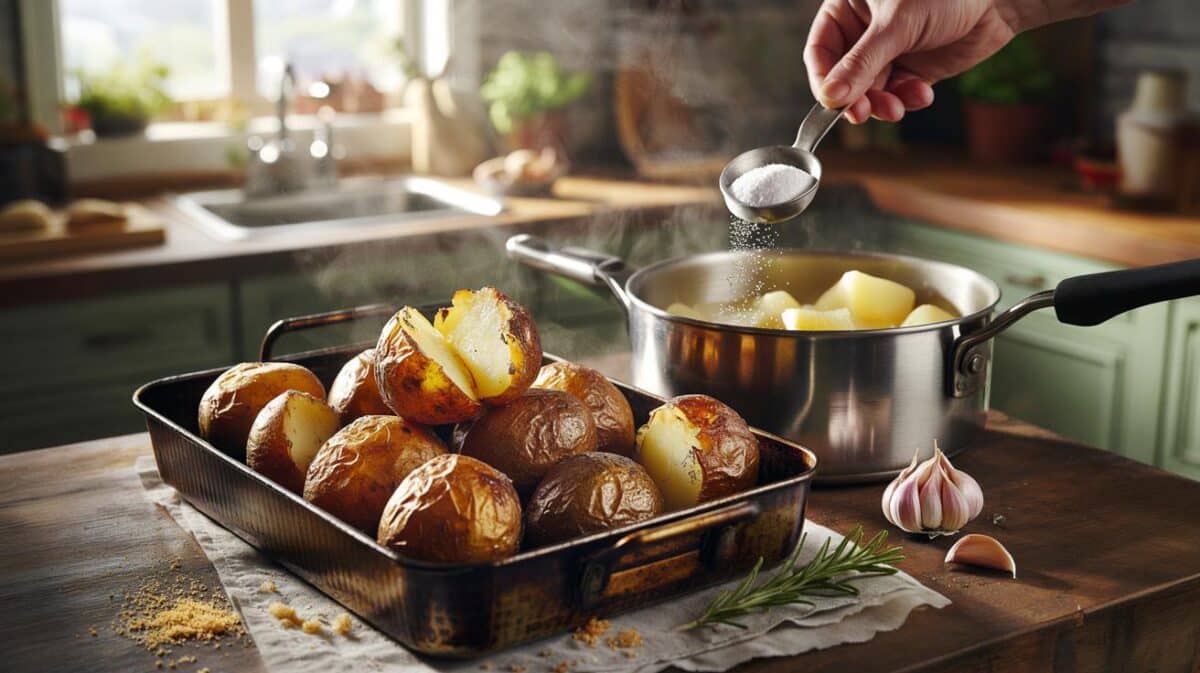
Start with floury potatoes such as Maris Piper or King Edward. Peel and cut into chunks the size of a golf ball. Parboil in salted water for 8–10 minutes until the outsides soften; drain and let the steam billow off. Shake the pan lightly to scruff the surface, then toss with 1 tablespoon semolina per 1 kg of potatoes. Heat 3–4 tablespoons goose fat in a large roasting tin at 220°C (200°C fan) until shimmering. Add 3–4 lightly crushed garlic cloves to the fat, then tip in the potatoes and turn to coat. **Heat the fat first, then let the potatoes meet it—never the other way round.** Roast 45–55 minutes, turning once, until rustling and deeply golden. Season with flaky salt at the end.
Avoid overcrowding the tray; space is crunch’s best friend. Keep the garlic in big, smashed pieces so it perfumes the fat without burning. If goose fat isn’t your thing, neutral oil works, though you’ll trade a little flavour. We’ve all had that Sunday where the roast runs late, the meat is resting, and the potatoes still look shy — breathe, turn them gently, and give them another few minutes to colour. Let’s be honest: nobody does that every day. If you like herbs, add rosemary or thyme in the last 15 minutes so they crisp without charring.
This little ritual rewards calm hands and hot metal. Below is the simple reminder I taped inside a cupboard door.
Hot fat, rough edges, patient colour — that’s the roastie rule-of-three.
- Potatoes: 1 kg floury (Maris Piper/King Edward)
- Semolina: 1 tbsp per kg, tossed after parboil
- Goose fat: 3–4 tbsp, preheated in the tin
- Garlic: 3–4 cloves, lightly crushed into the fat
- Oven: 220°C (200°C fan), 45–55 minutes, turn once
Beyond the roast tin: why this tiny switch matters
Food habits stick because they’re easy to remember, and this one is as memorable as a shopping list. Three extras. One tray. A hush at the table while the first bite breaks. What Mary Berry offers here isn’t a mood board or a fancy glaze — it’s a way to lock in certainty when you’re cooking for people you care about. The semolina gives you armour, the goose fat gives you energy, the garlic gives you a halo. The rest is time and heat. Swap in duck fat at Christmas, or go with vegetable oil on a Tuesday: the method stays yours. Share the trick with a friend who swears their oven hates them. Trade notes on potato varieties or how long you like the edges to go. Next weekend, try the same rule on parsnips and see what happens. Small changes, big clink of cutlery.
| Key point | Detail | Interest for the reader |
|---|---|---|
| Semolina dusting | 1 tbsp per kg after parboil to roughen and wick fat | Extra crunch without extra steps |
| Preheated goose fat | 3–4 tbsp at 220°C (200°C fan) until shimmering | Immediate sizzle, deeper colour, richer taste |
| Garlic in the tin | 3–4 crushed cloves to perfume the fat | Big flavour lift without burnt bits |
FAQ :
- Which potatoes work best?Floury varieties such as Maris Piper, King Edward or Rooster. They fluff at the edges and crisp reliably.
- Can I replace goose fat?Yes — duck fat is lovely, or use a neutral oil with a high smoke point. You’ll lose a little richness, but the semolina still delivers crunch.
- Do I have to parboil?Yes for peak results. Parboiling sets the starch and lets steam escape, so the outside dries and crisps while the centre stays soft.
- Will garlic burn?Keep it in big, crushed cloves and nestle them in the fat. Add them at the start and they’ll perfume the tray without scorching.
- What about herbs and seasoning?Add rosemary or thyme for the final 15 minutes. Salt right at the end so the crust stays snappy.




Tried this tonight with Maris Pipers—semolina + hot goose fat + smashed garlic was a total game-changer. Proper bronzing and that shatter-crunch you promised. Even the leftovers kept their edge. Mary does it again; thank you for the step-by-step! absoluteley keeping this taped to my cupboard.