
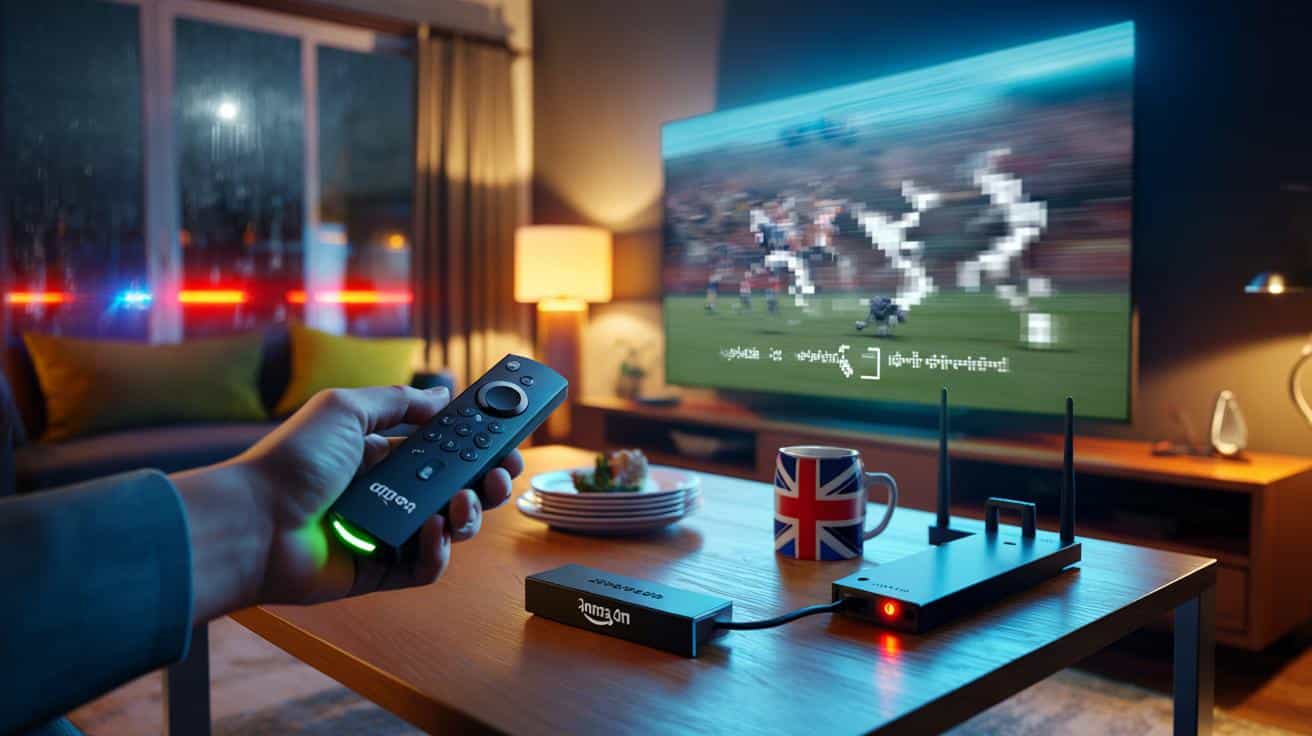
Rights-holders, police units and Amazon’s own policies are tightening, and the era of easy plug‑and‑play piracy is getting messy. There’s a fresh warning doing the rounds: stream illegally and you could face letters from your provider, malware on your telly, or even a nasty bill. The apps look slick. The risks don’t.
It starts like so many evenings do: a quiet Tuesday, dinner plates stacked, the living room light dimmed. A friend boasts they’ve “got everything” on their Fire Stick, no subscriptions, just a couple of apps “everyone uses”. You pick up the remote and browse a list that looks too good to be true—new releases, pay‑per‑view sports, whole seasons dropping in seconds. The picture loads, then stutters, then booms back at full volume. Something feels off, like stepping into a pub through the wrong door. The garden goes silent outside. A notification blinks on the screen, asking for permissions it shouldn’t need. You pause.
Why a warning now — and what it really means in the UK
Across the UK, enforcement teams and rights‑holders have stepped up their efforts against illegal streaming services piggybacking on Fire TV Sticks. Police-led operations have raided sellers offering “fully loaded” devices, while ISPs have cooperated with court orders to block pirate streams in real time. Amazon has tightened its own rules, quietly removing apps and suspending developer certificates when they cross the line. The message is blunt: those “free” streams aren’t harmless.
This isn’t theoretical. In recent months, users of illicit IPTV services have reported warning emails and service cut‑offs after big matches, as rights‑holders deploy tracking and takedowns during live events. Community groups chatting on social platforms describe channels collapsing mid‑game, or mysterious “updates” that hijack devices and demand payment. One London dad told me he bought a “bargain stick” at a car boot sale—and spent a weekend wiping malware from his router after the household banking app started flagging suspicious logins.
Legally, the UK line is clear on one thing: distributing or selling devices preloaded with infringing apps can lead to prosecution and serious penalties. End users sit in a murkier space, but they’re not invisible; civil claims, ISP suspensions and data‑protection headaches are all on the table. The bigger story, though, is practical. Dodgy apps punch holes in your privacy, scrape data, and reroute traffic across sketchy servers. They crash when you need them most, and they lure you with “free” while quietly installing add‑ons that mine your details. Free isn’t free.
How to stay safe, stream smart, and keep it legal on Fire TV
Start clean. Use the official Amazon Appstore, and only add services you recognise—BBC iPlayer, ITVX, All 4, My5, Pluto TV, Freevee, YouTube, the usual suspects. Open Settings, head to My Fire TV, and switch off “Install unknown apps” for anything you don’t use. While you’re there, disable ADB debugging unless you’re a developer. Update the Fire OS, reboot the stick, and link a proper Amazon account with two‑factor authentication. It takes five minutes that pay you back every week.
We’ve all had that moment when the family just wants to watch the match and the remote’s getting a death grip. That’s where bad choices creep in. Say no to “fully loaded” sticks from Facebook groups, market stalls or “a mate who sorts it all out”. Don’t follow YouTube tutorials promising endless free sports; many bundle tracking scripts or fake update prompts. If a random app asks for microphone access or permission to draw over other apps, that’s not normal on a TV. Let’s be honest: nobody reads every permission screen every day. Aim for the simple rule—if you wouldn’t install it on your phone, don’t put it on your TV.
There’s a human side to the crackdown, and you can hear the weariness from people who just want easy telly after work.
“Illegal streams look convenient until the night they stop, your broadband crawls, and your card details leak into the wild,” said a UK cybersecurity analyst I spoke to this week. “Convenience isn’t worth losing control.”
If you want legal and low‑cost, mix free UK catch‑up apps with monthly passes you can cancel. Rotate services by season—spring for football, autumn for drama—then take breaks.
- Use the Live tab on Fire TV to surface free, legitimate channels.
- Turn on privacy toggles: Settings > Preferences > Privacy Settings.
- Set purchase PINs to stop accidental paid sign‑ups.
- Keep your router firmware updated to block known malicious domains.
A little setup puts you back in charge.
What’s really at stake when you stream “free” — beyond the headline scare
Money draws the click, but the deeper risk sits in your living room: trust. Those third‑party apps that seem to unlock everything often pipe your traffic through opaque servers. They learn what you watch, when you’re home, which devices you connect—then bundle it into ad profiles that follow you. Some go further, slipping in code that probes your network looking for open doors. Your TV becomes a noisy neighbour who leaves the gate wide open.
The tech has changed too. Rights‑holders now weaponise speed. During major fixtures, they trigger rolling takedowns that knock out streams as they appear, making the pirate experience chaotic by design. That chaos leads people to riskier apps, hopping from one to another, clicking past warnings because a whistle is moments away. There’s an emotional cost to chasing dodgy streams: you’re always one buffer away from an argument on the sofa. It’s meant to be downtime, not a mini‑heist every Saturday.
There’s also a quiet financial trap. Many “free” services morph into paid scams after a few weeks, locking menus unless you hand over card details inside a webview. Refunds are a maze, and customer support is a ghost. By contrast, the UK’s legit ecosystem has improved: Freeview Play, FAST channels, and flexible monthly subs make it easier to tailor costs. One small hack: share family plans within the rules, switch one major service each month, and use watchlists to binge before you cancel. *The cheapest stream is the one you don’t forget to cancel.*
Where this leaves Amazon Fire TV owners — and the small choices that change everything
The Fire TV Stick is a brilliant little tool when you keep it on the straight‑and‑narrow. Amazon’s interface puts legal live TV and on‑demand apps a thumb‑press away, and the Alexa remote has become a second nature trick—“Play The Repair Shop”, job done. Think of it like your front door. You wouldn’t invite strangers to copy your keys, even if they promise a shortcut to the pub. Lock it down, use it well, and it stays friendly.
There’s a cultural piece to this too. UK households are juggling bills, and streaming fatigue is real, with every show parked behind another paywall. Temptation thrives in that gap. But the creeping cost of piracy—malware, letters, patchy streams, kids stumbling into adult channels—chews through whatever you thought you were saving. Trade certainty for choice. Choose fewer apps and actually enjoy them, then switch when you’re done. Your evenings will breathe again.
Some people will read this and wonder if the sky is falling. It isn’t. The warning simply means the grey area around Fire TV “freebies” is shrinking, and enforcement is catching up to the living room. Keep your stick clean, keep your data yours, and keep your telly nights calm. That’s the whole point of the sofa.
UK households are savvy. They spot a bad deal dressed up as a bargain, especially when it starts buffering. This warning isn’t about scaring people away from tech; it’s about getting back the easy, low‑stress TV nights that streaming promised in the first place. Talk to friends who swear by “fully loaded” gadgets and swap them a better recipe: a short list of legit apps, a monthly rotation, a purchase PIN, and a clean Fire Stick. Share how much smoother it feels when the match just plays, credits roll, and nothing else follows you out of the app. Stories spread. Habits change. The living room gets lighter.
| Key point | Detail | Interest for the reader |
|---|---|---|
| UK warning is real | Police actions, ISP blocks and Amazon policy are squeezing illegal streams | Explains why “free” apps vanish mid‑match and letters appear |
| Risk isn’t just legal | Malware, data scraping and card scams piggyback on rogue apps | Protects your money, privacy and home network |
| Simple fixes work | Use official apps, disable unknown installs, rotate legit services | Keep great telly nights without the drama |
FAQ :
- Is streaming free content on a Fire TV Stick illegal in the UK?Watching content that’s not licensed for you—via rogue apps or IPTV lists—can breach copyright. Sellers face criminal penalties; users can face civil action, ISP measures and data‑security risks.
- Can my ISP see if I’m using illegal IPTV?ISPs can detect unusual traffic patterns and comply with court orders. Some users receive warning letters when rights‑holders target specific services.
- Will Amazon ban my account if I sideload apps?Sideloading itself isn’t a ban trigger, but using infringing apps can lead to removals or broken functionality. Amazon’s policies favour official sources and can revoke misused dev certificates.
- What are safe, legal alternatives to “free sports” apps?Use broadcaster apps (BBC iPlayer, ITVX), league partners, or monthly passes from legitimate providers. Try FAST channels and rotate paid services to control cost.
- How do I lock down my Fire TV Stick fast?Settings > My Fire TV: update software, disable ADB and unknown installs. Preferences > Privacy: limit data sharing. Set a purchase PIN and stick to the Amazon Appstore.







Helpful breakdown; I had no idea ISPs could coordinate live blocks. Thanks for the practical steps.
Is this just scaremongering to push more subs? Show actual cases pls.